
As a student, you have probably faced this dilemma: should you type your notes into a digital device directly or write them by hand on paper? While typing is undeniably faster, many students still prefer the tactile experience of physically handwriting notes during lectures or when reading books and course materials.
Why Handwriting Still Matters
Research consistently shows that handwriting offers distinct cognitive advantages that can significantly impact learning and retention. When you write by hand, you engage more actively with the material, processing information more deeply as you translate concepts into your own words. This cognitive engagement helps cement ideas in your memory in ways that rapid typing simply can’t match.
This is especially true in technical subjects. When your notes are accompanied by many equations, graphs and diagrams – think physics, mathematics, chemistry, or engineering – it is actually faster to create them by hand. Try typing out a complex integral or sketching a free-body diagram on a computer or mobile device, and you’ll quickly appreciate the efficiency of pen and paper.
The Paper Problem
But here is the challenge: managing paper notes can be cumbersome. Anyone who has tried to study from a semester’s worth of handwritten notebooks knows the struggle. It is difficult to edit and improve on handwritten notes once they are on paper. Made a mistake? Want to add new insights from a later lecture or from studying the related reading materials? You’re stuck with arrows, margin scribbles, or rewriting entire pages.
The organizational challenges are even more daunting. Organizing handwritten notes across multiple subjects and topics can quickly become chaotic, and searching through stacks of notebooks when exam season arrives can feel nearly impossible.
A Smarter Solution
This is where our app changes the game. We have designed a system that lets you capture your handwritten notes as images and seamlessly integrate them into a digital note-taking environment. Here is how it works:
You can create notes using text and markdown formatting, giving you all the organizational power of digital note-taking. But instead of abandoning your handwritten work, you can simply snap a photo of the handwritten notes and insert it as an image right alongside your typed content. This means you get the cognitive benefits of handwriting where it matters most, while maintaining the flexibility of digital notes.
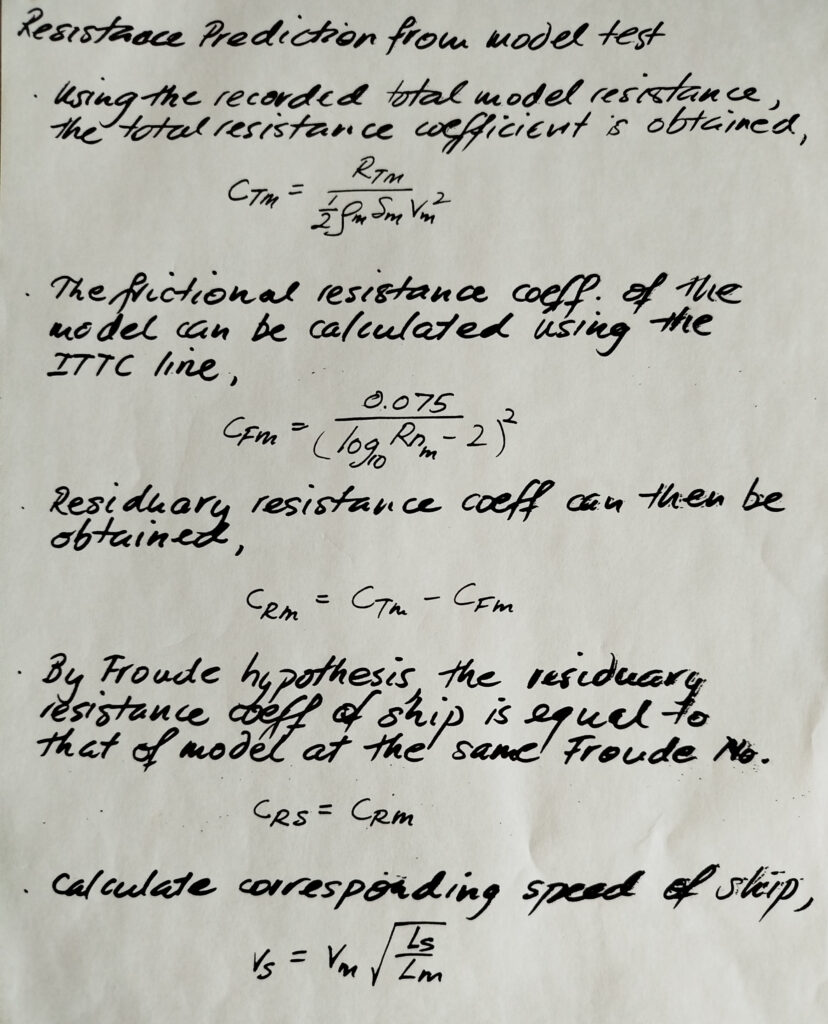
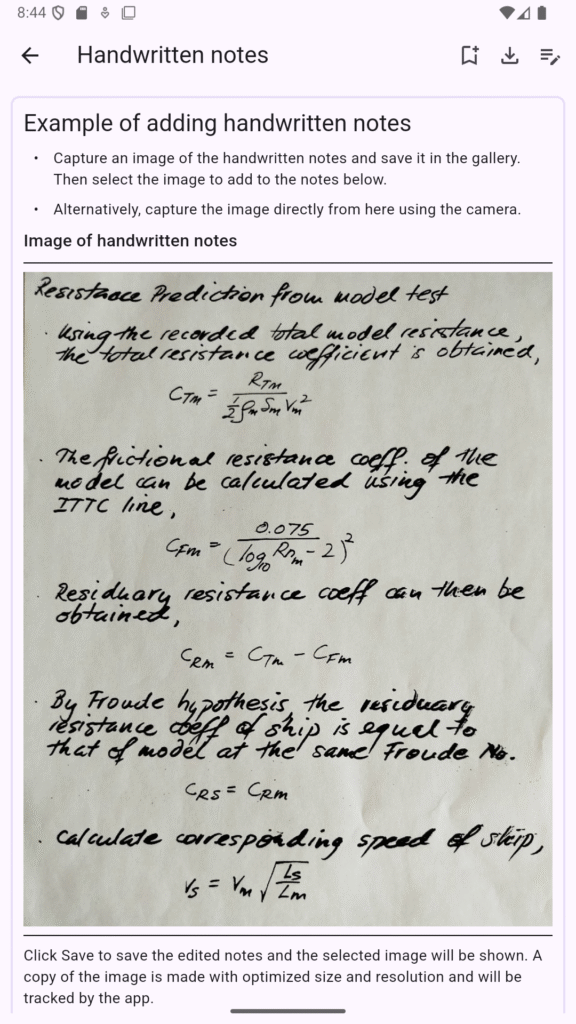
The following is an example of sample handwritten notes and how it will appear in the app together with the text typed into the app.
The Advantages
Easy Organization: Your handwritten notes live in the same organized system as your typed notes. Tag them, categorize them, and find them instantly when you need them.
Flexible Editing: Add context around your handwritten notes with typed text that you can edit anytime. Include summaries, additional explanations, or links to related materials.
Mix and Match: Some concepts are better handwritten (like complex diagrams or mathematical equations), while others benefit from typed text. Use both in the same note, optimized for how you learn best.
The Ideal System for Modern Students
The combination of handwriting’s learning benefits with digital organization creates an ideal system for modern students who want the best of both approaches.
Whether you are capturing lecture slides with handwritten annotations, mixing diagrams with typed summaries, or simply keeping your favorite handwritten study materials accessible, our app bridges the gap between traditional note-taking and digital efficiency.
Ready to transform how you manage your study materials? Start combining the proven learning benefits of handwriting with the organizational power of digital tools, and discover a note-taking system that actually works the way you learn.
Leave a Reply